Friday, July 30, 2010 14:41 EST

CD Duplication

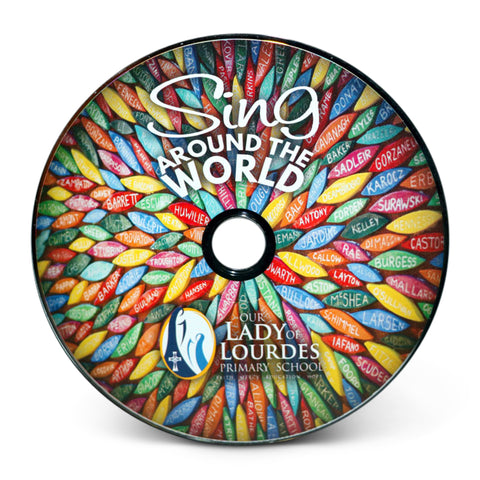
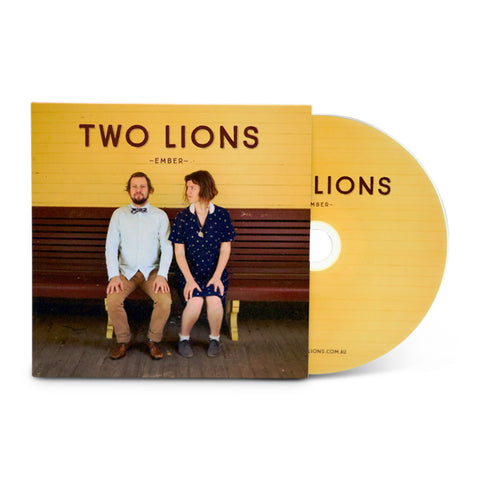
CD Duplication involves burning data from a master CD-R onto CD-R or CD+R blank media, then printing the disc via short run inkjet, thermal or label techniques.

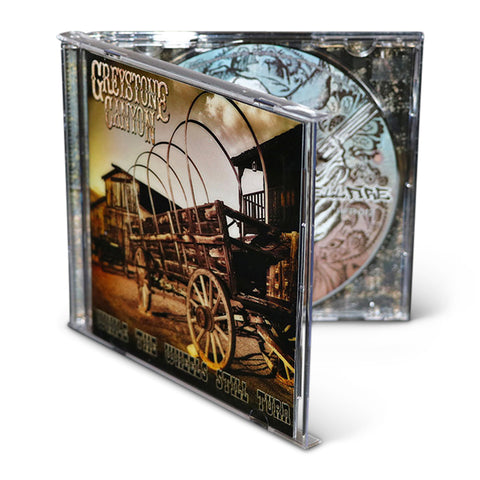
CD Replication, by comparison, has a minimum run size per title of 500 units. It involves creating a glass master and stamper, pressing and offset or screen-printing the discs. Disc replication is the manufacturing technique used for all Hollywood DVD movies and commercial CD releases, and, our name suggests, that’s what Replicat specialises in.

What is CD Duplication?

For more information see our:

Technical Reference Library – The Difference between Replication & Duplication

Replicat, Australia, do not provide a short-run duplication service, except in those rare occasions when both short and large runs of discs need to be produced for the same project or client. In these cases, we can offer a premium service with a full range of inkjet, laminated inkjet, thermal print and short run packaging options. Our minimum run per title is 100 units, but we only offer this service if you place or have placed an order for another title that requires 500+ units.  We do, however, distribute within Australia and globally.

This CD duplication process may be appropriate when creating back-ups discs at home, or running off a few copies for your friends and family, but we don’t recommend CD Duplication if you are intending to sell the discs, or distribute them in a commercial environment.

Why? Well blank media is not as reliable as replicated media. You’ve probably experienced this yourself when burning discs at home. Sometimes they don’t burn correctly due to an old or faulty laser in the CD writer. Sometimes the actual format of the disc is incorrect, and because you can copy virtually any data to blank CD-R, there are no independent checks to confirm that your data conforms to industry format standards for playback in a standard audio CD player.

If you press CDs (i.e. replicate them from a glass master), there are two key advantages: (i) the replication plant undertakes a variety of quantitative checks to confirm that the disc complies with industry format standards (very important if you are creating an audio CD for playback in set-top CD players, and (ii) the discs are manufactured to far higher readability standards to ensure that they play on virtually any player. Blank media on the other hand may be created with non standard audio formats that can only be played on a computer or MP3 player, but not a standard CD player. The media itself may also have an unacceptably high level of surface defects, rendering the disc unplayable in certain players.